Postpartum Pelvic Floor Exercises: App or Going It Alone?
By:Author:Kegel Care Editorial
Updated on:October 16, 2026
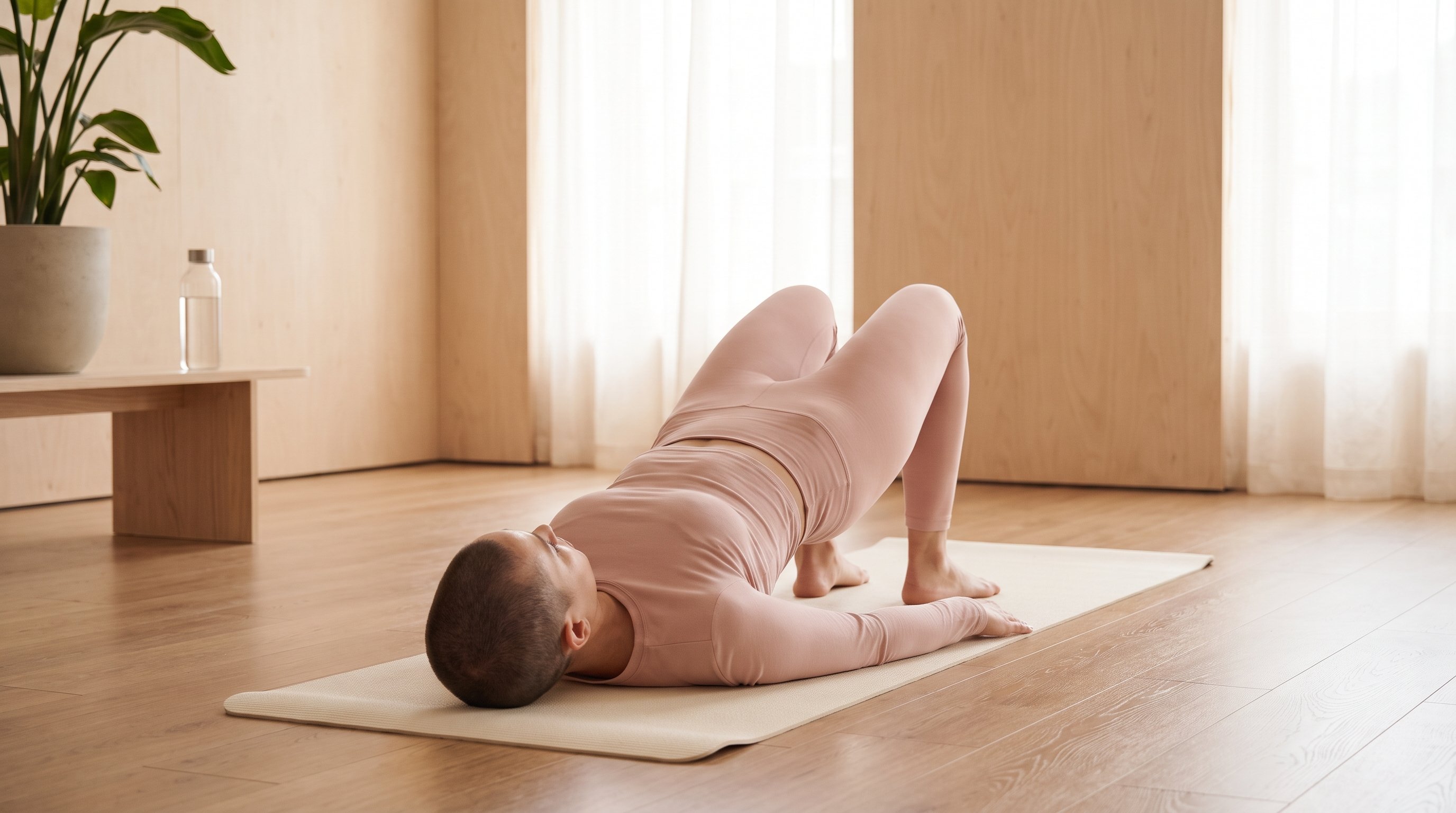
- A Sample Week for Early Postpartum Recovery
- How Many Postpartum Pelvic Floor Exercises Count
- Why the Simpler Routine Beats the Ambitious One
- Fitting Pelvic Floor Practice Around a Newborn
- Adjusting Postpartum Pelvic Floor Work to Your Situation
- When Postpartum Progress Tends to Show and Stall
- Letting Kegel Care Carry Your Postpartum Routine
- Making Postpartum Practice a Normal Part of the Day
The short answer is that either path can work, but a guided app routine tends to get finished more often than a self-made plan, and finishing is what actually rebuilds strength.
Pregnancy and birth stretch and load the pelvic floor in ways most people were never taught to retrain. The muscles respond to repeated, correctly cued contractions over weeks, not to one perfect session.
This guide covers what a realistic postpartum week looks like, how much practice is actually useful, why the easier route tends to win, and how to adapt the routine to your own recovery.
A Sample Week for Early Postpartum Recovery
Nobody needs a complicated schedule in the first weeks after birth. A short, repeatable pattern is easier to stick to than a long one you keep skipping.
A Sample Postpartum Week
- Monday - short seated contraction session, a few slow squeezes and releases
- Tuesday - rest from focused practice, gentle walking if cleared to move
- Wednesday - repeat the seated session, add a couple of longer holds
- Thursday - rest or breathing-only practice, no forced squeezing
- Friday - seated session plus one set done lying down
- Weekend - one short session, otherwise focus on rest and feeding routines
The pattern matters more than the exact day. Three to four short sessions spread across a week beats one long session squeezed in once.
How Many Postpartum Pelvic Floor Exercises Count
Quantity That Fits Early Recovery
A handful of slow, controlled contractions done well beats a long set done quickly or with the wrong muscles doing the work.
Below is a simple way to think about volume across the early weeks, scaling up only as it feels comfortable.
| Stage | Sessions | Focus |
|---|---|---|
| First days home | 1 short session daily | Gentle awareness, no strain |
| Weeks 2 to 4 | 2 to 3 sessions weekly | Slow holds, full release |
| Weeks 4 to 8 | 3 to 4 sessions weekly | Add longer holds |
| After 8 weeks | 4 to 5 sessions weekly | Mix holds and quick squeezes |
Always check with a clinician before increasing intensity if you had a complicated delivery, ongoing pain, or any heaviness or leaking that concerns you.
Why the Simpler Routine Beats the Ambitious One
Picture two new parents. One tries to follow a long printed sheet of exercises with sets, reps and positions to remember while also feeding a newborn every few hours.
The other opens a short guided session, follows the cues for a few minutes, and closes the app. The second person finishes far more sessions across a month simply because there is less to decide.

A self-made plan is not wrong, but it asks for memory, motivation and correct form all at once, on top of broken sleep. A short guided routine removes two of those three demands, which is most of why it gets finished.
Fitting Pelvic Floor Practice Around a Newborn
Postpartum life runs on someone else's clock. Feeds, naps and nappy changes do not leave neat gaps for a 20-minute workout, so the practice has to slot into minutes you already have.
A feed, a nap window, or the few minutes before a shower are all long enough for a short session if the routine is already built for you.
A guided pelvic floor app is designed to fit into short sessions, so you can do one during a feeding pause instead of trying to remember a routine from memory while exhausted.
Adjusting Postpartum Pelvic Floor Work to Your Situation
First-Time Recovery After Vaginal Birth
Start with short, gentle sessions and build up gradually, paying attention to any pulling or discomfort as a signal to ease off.
Recovery After a Caesarean Birth
The pelvic floor still carried the pregnancy load even without vaginal delivery, so gentle practice still matters once you feel ready to begin.
Exhausted and Short on Time
One very short session most days beats a longer one you plan but never get to, so shrink the routine rather than skipping it.
Second or Third Postpartum Recovery
Earlier experience can help you recognise correct form faster, but each recovery is its own timeline and comparing one to the last rarely helps.
When Postpartum Progress Tends to Show and Stall
Early on, most of the change is about relearning the sensation of a full contraction and a full release, not visible strength. That relearning takes a stretch of consistent weeks, and it is easy to quit right before it clicks.
People often stop around the point where sessions start feeling repetitive but results still feel invisible. That is also usually the point where sticking with a short, simple routine starts to pay off, so treat that flat patch as normal rather than a sign to give up.
Letting Kegel Care Carry Your Postpartum Routine
Once the pattern of practice matters more than any single session, having a plan that adjusts with you takes one more decision off your plate.
Kegel Care gives you a tailored-for-you exercise plan with short guided audio and video sessions, so you are not guessing at form or counting reps on your own during the newborn weeks.
Daily trackers keep hydration and wellness habits visible alongside the exercise plan, and the curated article library and lifestyle challenges give you something to lean on between sessions without adding more to remember.
Strengthen Your Pelvic Floor
Rebuild Your Core Confidence
Making Postpartum Practice a Normal Part of the Day
Rebuilding pelvic floor strength after birth is less about intensity and more about showing up for a few short minutes, repeatedly, across weeks that already feel full.
Pick one small slot today, a feed, a nap, a quiet five minutes, and use it for one short session. A guided pelvic floor routine can hold the plan steady while you handle everything else a newborn asks of you.
FAQ
Many people begin gentle practice once cleared by a clinician, which varies depending on the type of birth and any complications. Speak to a clinician before starting if you are unsure it is safe yet for your recovery.
The pelvic floor is a muscle group, and like any muscle group it responds to repeated, correctly cued practice over time. Results vary by person and consistency, and there is no fixed number of weeks that applies to everyone.
This is common in early postpartum recovery and usually improves as sensation and control return with practice. Kegel Care's guided audio cues can help you locate the correct muscles more easily than guessing alone.
Sessions can start to feel repetitive before any change is noticeable, and that gap is exactly where most people quit. A guided pelvic floor app's short sessions and trackers are built to make that stretch easier to push through.
Share this post