Pelvic Floor Exercises Pregnancy: A Trimester-By-Trimester Guide
By:Author:Kegel Care Editorial
Updated on:October 16, 2026
- Starting Pelvic Floor Work Trimester by Trimester
- How Many Pelvic Floor Exercises Each Trimester Needs
- Making Pelvic Floor Practice Work Around Pregnancy Fatigue
- A Four-Stage Starting Plan for Pregnancy
- When Pelvic Floor Changes Tend to Show Up in Pregnancy
- Mistakes That Undo Pregnancy Pelvic Floor Work
- Letting Kegel Care Structure Pregnancy Sessions
- Carrying Pelvic Floor Habits Through Every Trimester
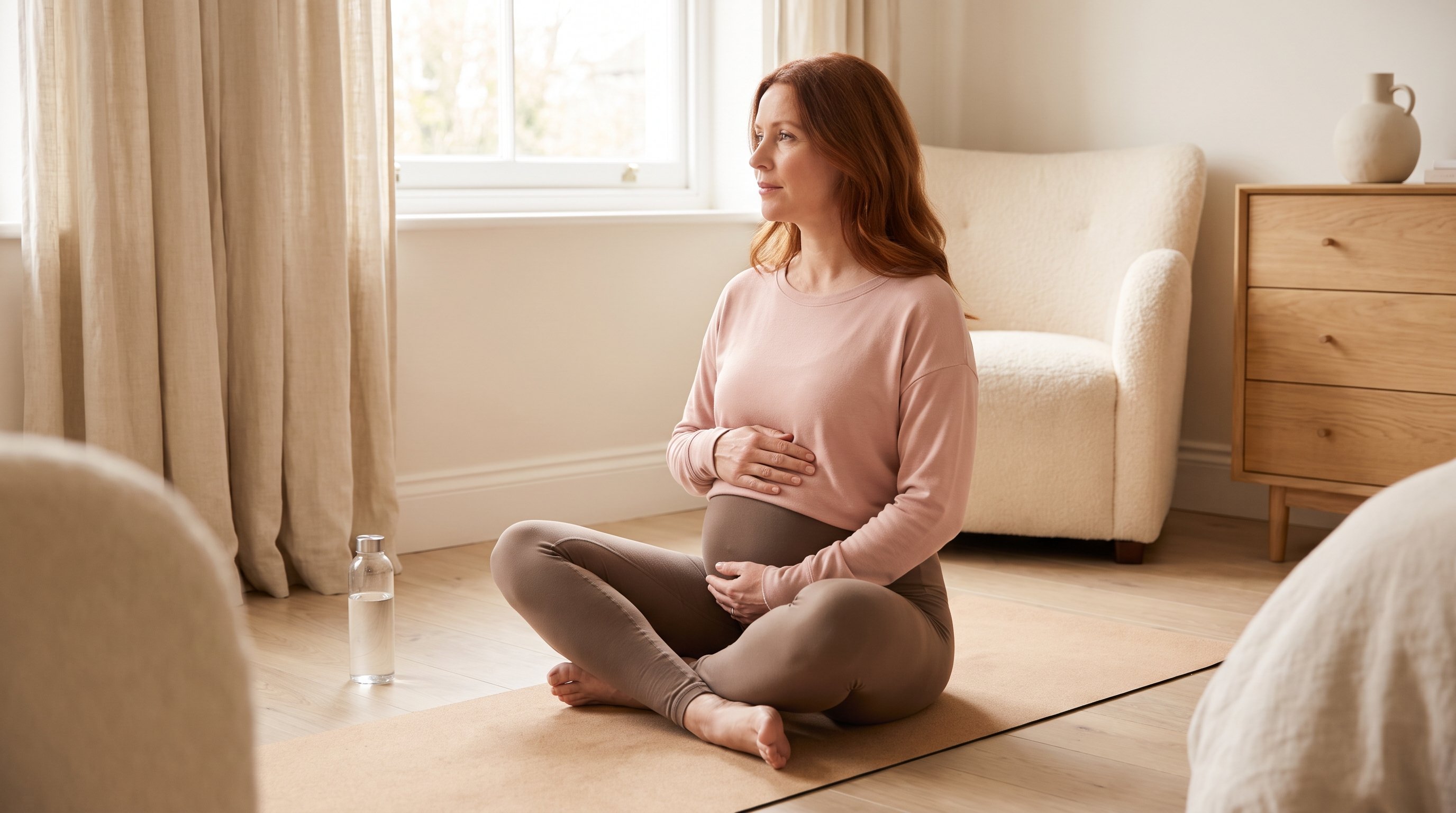
Pelvic floor exercises during pregnancy work best when they change with each trimester rather than staying fixed from week one to week forty.
As the uterus grows, it adds steady downward load onto muscles that already support the bladder, bowel and bump. Training those muscles little and often helps them cope with that extra weight, rather than leaving them to manage it alone.
This guide walks through what to do each trimester, how often, the mistakes that trip people up, and how a guided plan can keep the habit simple to repeat.
Starting Pelvic Floor Work Trimester by Trimester
Nobody hands out a manual for this, so most people find the right muscles by trial and error around a scan appointment or a bladder leak. A short, repeatable process removes the guesswork.
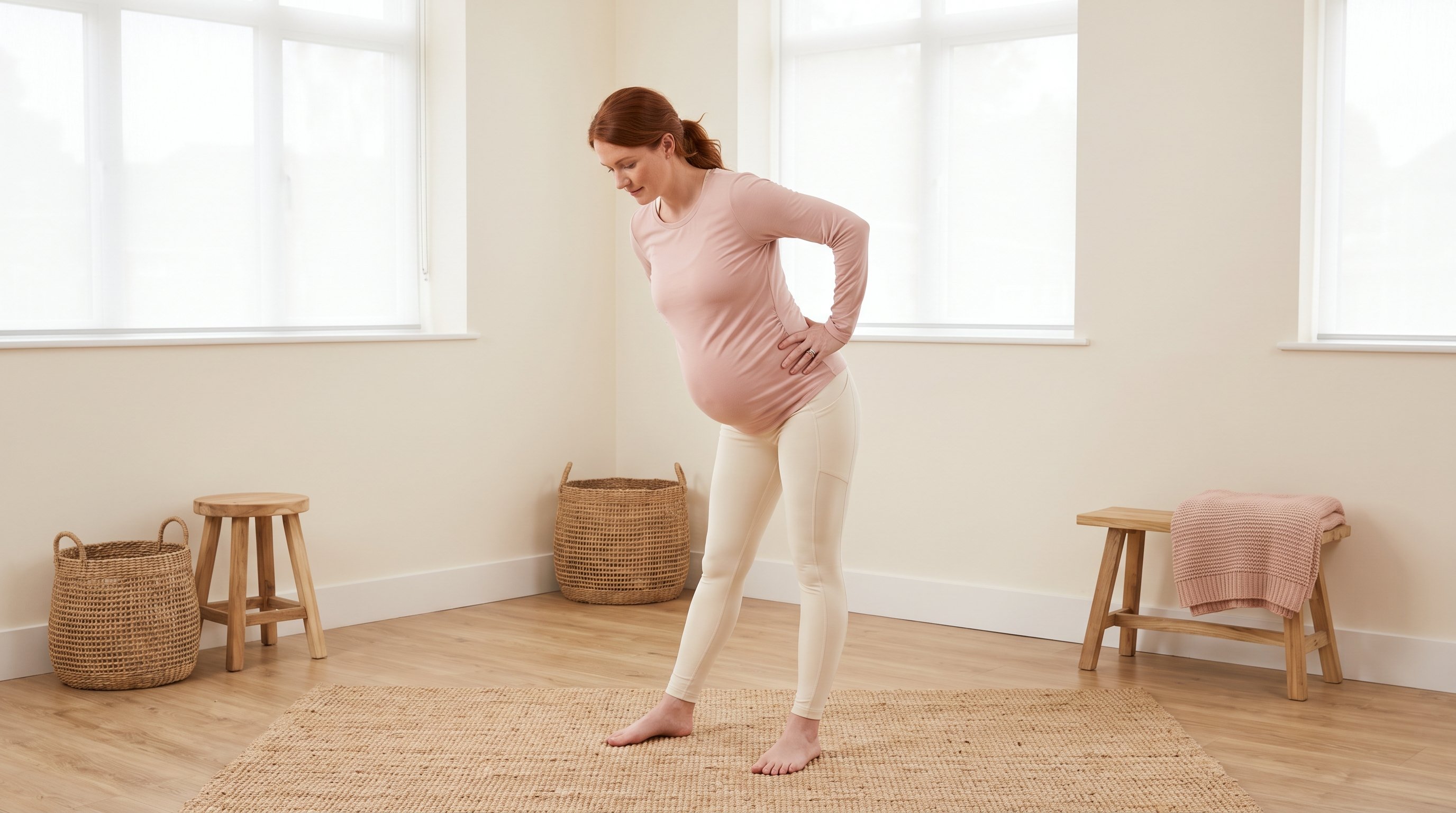
A Simple Way to Build the Habit
- Find the muscles first - try to stop the flow of urine midstream once, just to feel which muscles move, then stop practising this way regularly.
- Practise a slow squeeze - tighten as if holding back wind and wee together, hold for a few seconds, then release fully.
- Add a quick squeeze - tighten fast and let go fast, a few times in a row, to train the muscles that react to coughs and sneezes.
- Breathe normally throughout - holding your breath tends to mean you're using your stomach or thighs instead of the pelvic floor.
- Rest fully between squeezes - the release matters as much as the squeeze, especially as pregnancy goes on.
- Change position as the bump grows - sitting or side-lying often feels easier than lying flat on your back in later months.
- Repeat daily in short bursts - a minute or two, several times a day, beats one long session you dread.
How Many Pelvic Floor Exercises Each Trimester Needs
The right amount shifts a little as the body changes, but the principle stays the same: short and frequent beats long and occasional.
What Changes As Pregnancy Progresses
Early on, most people can hold squeezes comfortably for several seconds. Later, a bigger bump and more pressure on the bladder often mean shorter holds feel more realistic, and that's fine.
| Stage | Suggested Frequency | Main Focus |
|---|---|---|
| First Trimester | Once or twice daily | Finding the muscles |
| Second Trimester | Twice daily | Building hold time |
| Third Trimester | Short bursts, several times daily | Comfort and control |
| Final Weeks | Brief, gentle sessions | Staying consistent |
Making Pelvic Floor Practice Work Around Pregnancy Fatigue
Pregnancy tiredness is real, and some weeks even a two-minute routine feels like a lot. Stacking the habit onto something already happening, like brushing teeth or waiting for the kettle, removes the need for extra willpower.

A guided exercise plan can help by turning the routine into short, structured sessions rather than something to remember and invent each day. Guided pelvic floor sessions built for exactly this kind of pattern, with audio and video routines that fit around a tired afternoon or a quiet evening, make the difference.
The habit trackers inside the app can also log hydration and wellness routines alongside the exercise sessions, so the whole habit sits in one place instead of several apps or a notebook.
A Four-Stage Starting Plan for Pregnancy
The order below matters more than hitting an exact number of repetitions. Each stage builds on the one before it.
| Stage | What To Do |
|---|---|
| Stage 1 | Identify the muscles correctly |
| Stage 2 | Practise slow squeezes with full rests |
| Stage 3 | Add quick squeezes for reflex control |
| Stage 4 | Adjust position and length as the bump grows |
When Pelvic Floor Changes Tend to Show Up in Pregnancy
There's no fixed week where things suddenly feel different, and that's worth saying plainly rather than promising a date. Some people notice better bladder control within weeks of starting; others notice very little until well into the second trimester.
What tends to be more consistent is the point where people stop: around the third trimester, when discomfort, tiredness or simply forgetting gets in the way.
Keeping sessions short rather than stopping altogether tends to be the more useful habit through that stretch.
Mistakes That Undo Pregnancy Pelvic Floor Work
Holding the Breath During a Squeeze
This usually means the stomach or thighs are doing the work instead of the pelvic floor. Breathing steadily through each squeeze keeps the right muscles engaged.
Skipping the Release
A squeeze without a full release can leave muscles tense rather than trained. Relaxing fully between each one matters as much as the squeeze itself.
Doing It Only When Remembered
An occasional session, done only when someone remembers, rarely builds much. Short daily practice, even at a lower intensity, adds up more than rare long sessions.
Ignoring Position As the Bump Grows
Lying flat on the back can feel uncomfortable later in pregnancy and some people simply stop rather than adjust. Switching to side-lying or sitting keeps the habit going instead of ending it.
Expecting One Fixed Routine to Suit All Nine Months
What works in the first trimester may feel wrong in the third. Adjusting hold length and position as pregnancy progresses keeps the habit realistic.
Letting Kegel Care Structure Pregnancy Sessions
Working out the right squeeze, the right rest and the right frequency alone, trimester after trimester, takes a fair bit of guesswork.
Kegel Care removes some of that guesswork with a tailored-for-you pelvic floor exercise plan built from short, guided sessions rather than vague instructions to figure out alone. The trackers keep hydration and wellness routines in one place, the challenges offer small changes to add through pregnancy, and the exclusive article library stays updated so there's always something current to read between sessions.
Strengthen Your Pelvic Floor
Rebuild Your Core Confidence
Carrying Pelvic Floor Habits Through Every Trimester
The muscles involved here are trainable at any stage of pregnancy, and most people were simply never shown how to use them properly.
Pick one small session today, something short enough to repeat tomorrow, and let that be the habit rather than an ambitious plan abandoned by week two. Kegel Care can hold the structure so the only decision left each day is pressing play.
FAQ
They train muscles that carry extra load as the uterus grows, which is a mechanical reason to practise rather than a promise of a specific outcome. Consistency across the trimesters matters more than any single session.
These are gentle muscle contractions with no equipment or impact involved, which makes them suitable to start early. Speak to a clinician first if you have any pregnancy complication or unusual pain alongside the exercises.
Switching to sitting upright or lying on your side usually solves this. The muscles respond the same way regardless of position, so comfort should decide the posture.
Nothing is lost permanently, the muscles simply go back to where they were before training started. Short guided pelvic floor sessions make it easier to pick the habit back up without having to plan a routine from scratch.
Share this post