Protein for Women Over 40: Whole Foods vs Supplement Shakes
By:Author:Kegel Care Editorial
Updated on:October 16, 2026
- Building a Protein Habit Step by Step
- How Much Protein a Day Actually Covers
- Where Protein Shakes Actually Earn Their Place
- A Four-Week Plan to Build the Protein Habit
- When Changes From Eating More Protein Show Up
- Mistakes That Quietly Undercut Protein Intake
- Letting Kegel Care Support a Protein Routine
- Putting a Protein Routine Into Your Own Week
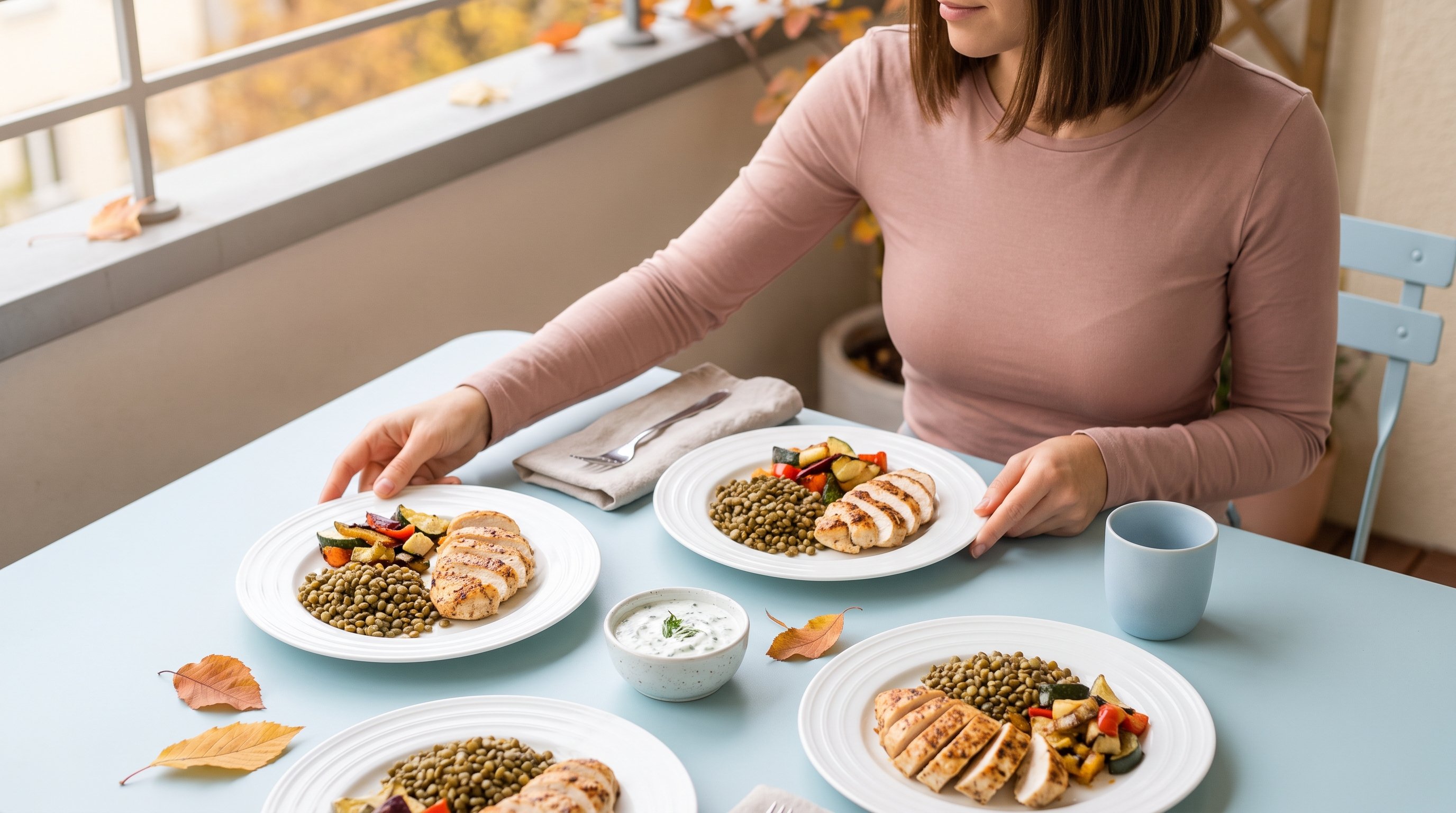
Protein for women over 40 usually works best as a mix of whole foods for most meals and a shake for the gaps - not one or the other exclusively. Whole food sources bring fibre, vitamins and a sense of fullness that a powder cannot match, while a shake solves the problem of a rushed morning or a missed lunch.
Muscle naturally becomes harder to maintain with age, and protein is one of the raw materials the body uses to keep what you have. Eating enough of it, spread across the day, gives your body the building blocks it needs - no single food or shake does this on its own.
This guide covers how much protein to aim for, a simple weekly structure, where shakes genuinely help, where whole food wins, and the mistakes that quietly undercut the effort.
Building a Protein Habit Step by Step
Getting more protein into a normal week does not require a diet overhaul. A few deliberate steps make it automatic rather than something you have to think about every meal.

Steps to Build the Habit
- Anchor one protein source to each meal - eggs at breakfast, chicken or beans at lunch, fish or tofu at dinner.
- Keep one quick backup on hand - a tin of beans, a pot of yoghurt, or a shake for the days nothing else is ready.
- Add protein to snacks, not just meals - nuts, cheese, or a boiled egg instead of something that only offers carbohydrate.
- Spread intake across the day - three smaller doses work better for most routines than one large serving at dinner.
- Pair protein with movement - a short walk or strength session near a protein-rich meal makes use of what you have eaten.
- Track for one week, not forever - a few days of noting meals shows you where the gaps actually are.
- Adjust the backup plan based on what you learn - more shakes if mornings are the problem, more prepped food if evenings are.
How Much Protein a Day Actually Covers
Matching Portions to a Target
A rough target helps more than a precise one, because consistency across the week matters more than hitting an exact gram count every single day.
The table below shows common whole food portions next to a typical shake serving, so you can see how they stack up against each other in plain terms.
| Food | Typical Portion | Protein Provided |
|---|---|---|
| Chicken breast | 120g cooked | About 35g |
| Greek yoghurt | 200g pot | About 17g |
| Lentils | 1 cup cooked | About 18g |
| Eggs | Two large | About 13g |
| Protein shake | One scoop in water | About 20-25g |
Line up a few of these across breakfast, lunch and dinner and the daily total adds up without any single meal feeling excessive.
Where Protein Shakes Actually Earn Their Place
Whole food should carry most of the week, but a shake has a specific job: filling the gap when there is no time to cook, no appetite for a full meal, or no fridge nearby.
That makes it a backup tool, not a replacement for real meals - the fibre, micronutrients and chewing satisfaction in whole food are not things a shake brings.

Keeping the habit consistent matters more than which source you lean on, and that is exactly the kind of daily pattern a tracker can help with.
Kegel Care includes a daily habit tracker for hydration and wellness routines, which gives you one place to log the small habits - like remembering a protein-rich snack - that add up over a week.
A Four-Week Plan to Build the Protein Habit
The order below matters more than hitting a perfect number in week one - the goal is a habit that survives a busy month, not a strict regime that collapses by Friday.
| Stage | What to Focus On |
|---|---|
| Week 1 | Add protein to breakfast only |
| Week 2 | Add a protein-rich snack mid-afternoon |
| Week 3 | Prep two backup options for busy days |
| Week 4 | Spread protein evenly across all three meals |
When Changes From Eating More Protein Show Up
Nobody feels dramatically different after one high-protein meal, and that is normal - the body works on a slower schedule than a single lunch.
Most people notice the habit itself becoming easier before they notice anything else, somewhere around the point where prepping a protein source stops feeling like a decision and starts feeling automatic.
This is also the stage where people tend to quit, right before the habit would have become second nature - sticking with the plan through this flat period is the part that actually counts.
Mistakes That Quietly Undercut Protein Intake
Loading It All Into Dinner
Eating most of your protein at the evening meal leaves the rest of the day short - spread it across breakfast, lunch and dinner instead.
Treating a Shake As a Full Meal Every Day
A shake fills a gap, but relying on it daily skips the fibre and nutrients whole food provides - save it for the genuinely rushed days.
Skipping Snacks Entirely
Snack time is an easy opportunity for extra protein that gets missed when the only focus is three main meals - a handful of nuts or a boiled egg closes that gap.
Guessing Instead of Checking Portions
Without a rough sense of portion sizes, it is easy to assume you are eating enough protein when you are not - a week of honest tracking clears this up quickly.
Letting Kegel Care Support a Protein Routine
Protein habits do not exist in isolation - they sit alongside hydration, movement and the other small routines that make up a real week.
Kegel Care brings daily habit trackers, lifestyle challenges and a specialist-curated article library into one place, so the protein habit you are building does not have to be the only thing you are keeping track of.
Strengthen Your Pelvic Floor
Rebuild Your Core Confidence
Putting a Protein Routine Into Your Own Week
Pick one meal today and add a protein source to it - that single change is more useful than a perfect plan you never start.
Build from there over the coming weeks, and let a daily tracking tool hold the habit so it has somewhere to live beyond your own memory.
FAQ
Needs shift as the body changes with age, and protein becomes a more deliberate part of eating rather than something that happens by accident. Spreading it across meals matters more than chasing one specific number.
A shake covers the protein gap but misses the fibre, variety and fullness that a whole food meal provides. Treat it as a backup for busy days, not a daily replacement.
Start with the easiest options - eggs, yoghurt, tinned beans - that need no real preparation. A quick backup removes the barrier that stops the habit from starting at all.
A simple daily tracker makes the pattern visible, so you can see gaps instead of guessing at them. Kegel Care's habit tracker is built for exactly this kind of small daily check-in.
Share this post