Pelvic Floor Exercises During Pregnancy: A Trimester Guide
By:Author:Kegel Care Editorial
Updated on:October 22, 2026
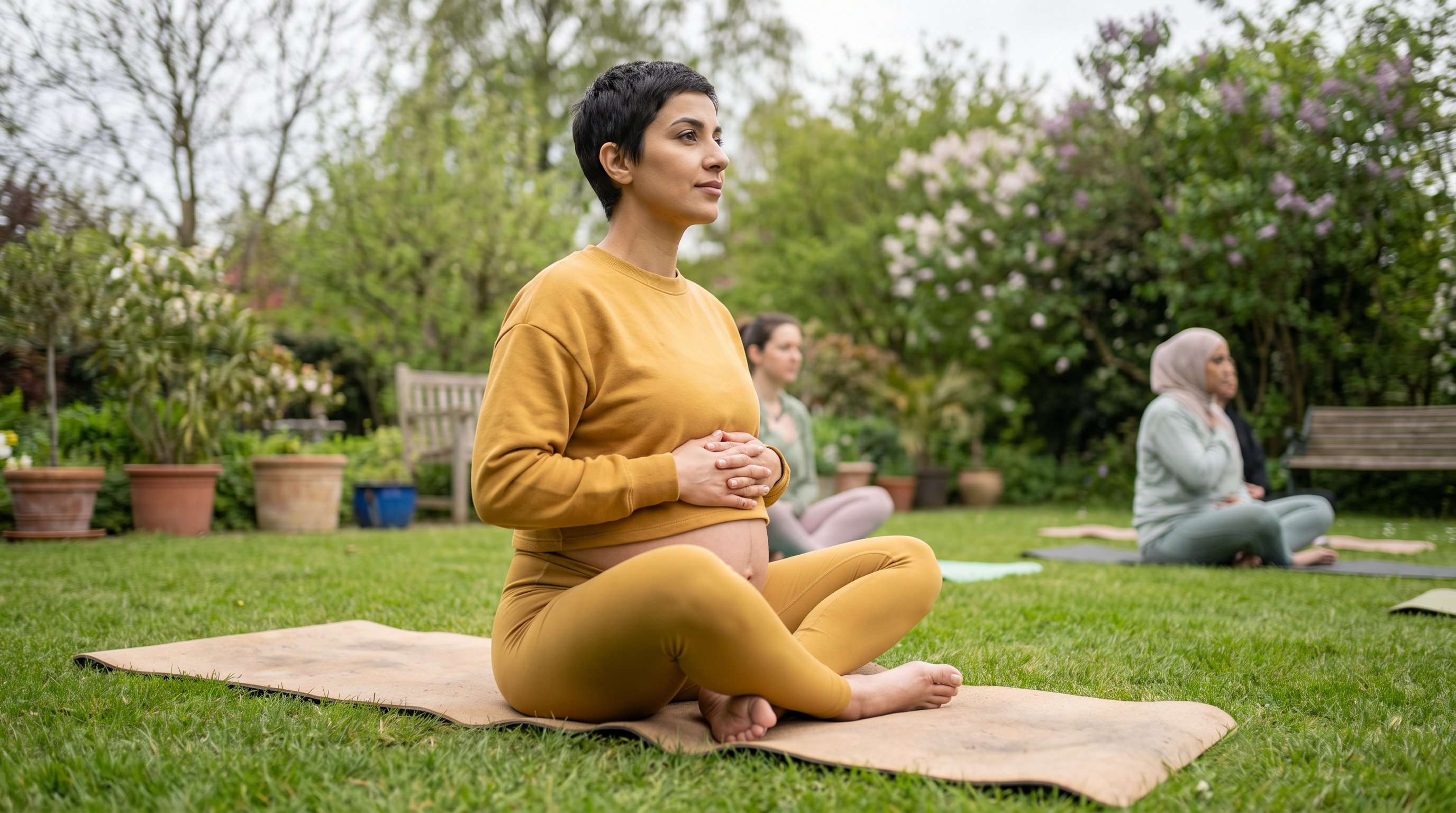
- A Sample Week of Pregnancy-Safe Pelvic Floor Practice
- How Often to Train the Pelvic Floor in Pregnancy
- Why Gentle Daily Squeezes Beat Occasional Intense Sessions
- Making Pregnancy Pelvic Floor Exercises Fit Your Day
- Who Should Adjust This Routine and How
- When to Expect Changes Through Pregnancy
- Supporting Your Pregnancy Routine With Kegel Care
- Keeping Pelvic Floor Practice Steady Through Pregnancy
Pelvic floor exercises during pregnancy mean regularly squeezing and releasing the muscles that support the bladder, bowel and uterus, done in short sessions throughout the day as the growing weight of pregnancy adds pressure to that area.
The pelvic floor is a sling of muscle, not a vague idea, and like any muscle it responds to practice. As pregnancy progresses, extra weight and hormonal changes ask more of it, so building some capacity now gives the muscle more to work with.
This guide covers what a normal week of practice looks like, how often to train, why short sessions beat occasional long ones, how to fit this into daily life, and how to adjust it trimester by trimester.
A Sample Week of Pregnancy-Safe Pelvic Floor Practice
Nobody needs a complicated plan here. A simple weekly structure that alternates short squeezes with longer holds, plus one day of pure rest, is enough to build a habit.
A Week You Can Copy
- Monday - ten quick squeezes, lying on your side, morning and evening
- Tuesday - five slow holds of a few seconds each, seated at a desk or table
- Wednesday - rest day, just notice how the muscle feels when you cough or laugh
- Thursday - ten quick squeezes paired with a longer hold session, standing
- Friday - five slow holds, done lying down with knees supported
- Saturday and Sunday - one short session each day, whenever it fits
The pattern matters more than the exact numbers. Quick squeezes train fast-twitch response, like the reflex needed when you sneeze, while slow holds build the muscle's endurance for standing and walking later in the day.
How Often to Train the Pelvic Floor in Pregnancy
A Realistic Starting Frequency
Short daily practice, rather than one long weekly session, tends to suit pregnancy best because comfort and energy change from day to day. A few minutes, once or twice a day, is a reasonable place to start and adjust from.
| Stage | Frequency | Focus |
|---|---|---|
| First trimester | Once daily | Building the habit |
| Second trimester | Once or twice daily | Quick and slow squeezes |
| Third trimester | Short, frequent sessions | Comfort over intensity |
| Low-energy days | One short round | Consistency, not volume |
If a day gets missed, it doesn't undo anything. The table above is a guide to return to, not a target to chase.
Why Gentle Daily Squeezes Beat Occasional Intense Sessions
Compare two approaches: a single long, effortful pelvic floor session once a week, versus a handful of gentle squeezes spread across most days. The second wins almost every time, not because it works harder, but because it actually happens.
A weekly long session is easy to skip when you're tired, and pregnancy brings plenty of tired days. Short daily squeezes, by contrast, fit around nausea, a packed work schedule or an afternoon nap without asking much of you.

Consistency is what trains a muscle, not intensity in a single sitting. Ten seconds a few times a day, repeated across weeks, adds up to more total practice than one ambitious session that happens twice and then gets abandoned.
Making Pregnancy Pelvic Floor Exercises Fit Your Day
The easiest way to keep this going is to attach it to something you already do - brushing your teeth, waiting for the kettle, sitting at a red light. No extra time slot required.
A guided plan can take the guesswork out of when and how long, which matters more in pregnancy because energy and comfort shift week to week. A pelvic floor app offers short guided sessions and daily trackers, so you can fit a routine around a changing schedule instead of starting from a blank page each day.
Pairing the exercise with a daily habit you're already tracking, like water intake, also makes it easier to remember without adding a new routine on top of an already full day.
Who Should Adjust This Routine and How
First Trimester, Just Starting Out
If this is new to you, start with short, gentle squeezes and skip the long holds until the pattern feels familiar. The goal early on is learning to find and release the muscle, not building intensity.
Busy Schedule, Little Spare Time
Attach squeezes to moments you're already sitting still - commuting, a meeting, watching a show. Two or three short rounds spread through the day beat one planned session that keeps getting bumped.

Third Trimester, Feeling the Extra Weight
As the bump grows, lying on your side or sitting upright tends to feel more comfortable than lying flat. Shorter, gentler sessions are completely reasonable here - the aim is staying connected to the muscle, not pushing for more.
Discomfort or Uncertainty About the Movement
If a squeeze ever causes pain, or you're unsure whether a symptom is normal for your pregnancy, speak to a clinician before continuing. Pelvic floor work should feel neutral or mildly effortful, never sharp or painful.
When to Expect Changes Through Pregnancy
There's no single week where pelvic floor practice suddenly clicks. For some people, a better sense of control shows up fairly early; for others, it takes longer, and that's normal too.
What tends to happen first is awareness - noticing the muscle when you cough, laugh or stand up, rather than it working silently in the background. That awareness is itself progress, even before anything feels stronger.
The point where most people quit is around the third or fourth week, usually because nothing dramatic has happened yet. Sticking with short sessions past that point, even when results feel quiet, is where the habit tends to pay off.
Supporting Your Pregnancy Routine With Kegel Care
A routine is easier to keep when it's laid out for you instead of improvised each day. Kegel Care structures short guided sessions so you're not guessing how many squeezes or how long to hold, which matters when pregnancy already asks you to track a lot.
Alongside the guided exercise plan, guided pelvic floor programs include daily trackers for habits like hydration, lifestyle challenges to nudge small changes, and a curated article library if you want to read more between sessions. The audio and video content is built in short lengths, so a session can happen in a spare few minutes rather than needing a dedicated workout slot.
Strengthen Your Pelvic Floor
Rebuild Your Core Confidence
Keeping Pelvic Floor Practice Steady Through Pregnancy
The most useful step is also the simplest one: pick a moment you already repeat every day and attach a few gentle squeezes to it, starting today rather than waiting for a better week.
A pelvic floor app can hold the structure so you don't have to rebuild it from memory each time your schedule shifts. Small, steady sessions, kept up across the weeks ahead, are what actually move this forward.
FAQ
Yes, pelvic floor squeezes are generally suitable throughout pregnancy, with the main adjustment being position and intensity as the bump grows. Speak to a clinician if you have any pregnancy complications or are unsure whether a specific movement suits your situation.
A proper session takes a few minutes and involves no cardio, so it shouldn't add meaningful fatigue to an already tiring day. If a session feels like effort rather than a quiet squeeze, it's worth shortening it rather than pushing through.
Attaching the exercise to something you already do daily, like brushing your teeth or sitting down to eat, removes the need to remember a separate task. Kegel Care's daily trackers can also sit alongside other habits you're already logging, which makes the squeeze easier to remember.
No equipment is required - the exercise is a squeeze and release you can do seated, lying down or standing. Some people later add tools once the basic movement feels familiar, but that's a personal choice, not a requirement to begin.
Share this post