Hypertonic Pelvic Floor: Spotting It and Easing It Gently
By:Author:Kegel Care Editorial
Updated on:October 22, 2026
- A Week That Favours Release Over Squeezing
- How Often Release Work Actually Helps
- Why Gentle Release Beats Forcing a Stretch
- Working Pelvic Floor Release Into a Real Day
- Who Needs to Adjust This Approach and Why
- When a Tense Pelvic Floor Starts to Soften
- Easing a Hypertonic Pelvic Floor With Kegel Care
- Making Peace With a Pelvic Floor That Overworks
A hypertonic pelvic floor means the muscles sit in a chronically clenched state and struggle to fully let go, even when you're not consciously squeezing anything.
This happens because muscles that are asked to brace often - against stress, posture habits, or constant core engagement - can forget how to release, the same way a shoulder creeps up toward the ear after a long day at a desk.
This guide covers what a tense pelvic floor can feel like, how often release work is worth doing, why the gentle route beats forcing a stretch, and how to fit it into an ordinary week.
A Week That Favours Release Over Squeezing
Most routines built around strengthening ask for more squeezes. A hypertonic pelvic floor usually needs the opposite emphasis - more time spent noticing tension and letting it drop.
A Sample Week Built Around Release
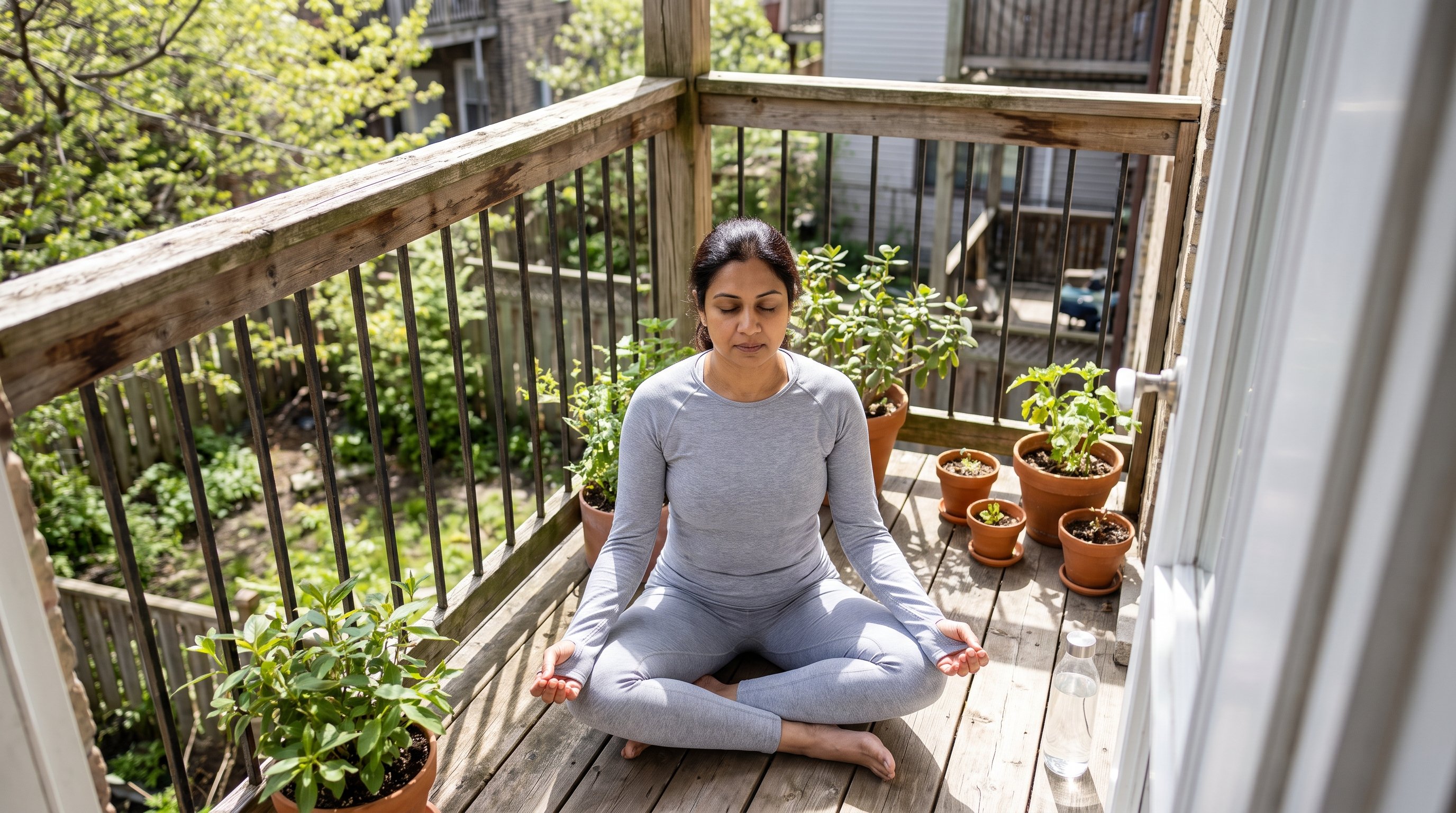
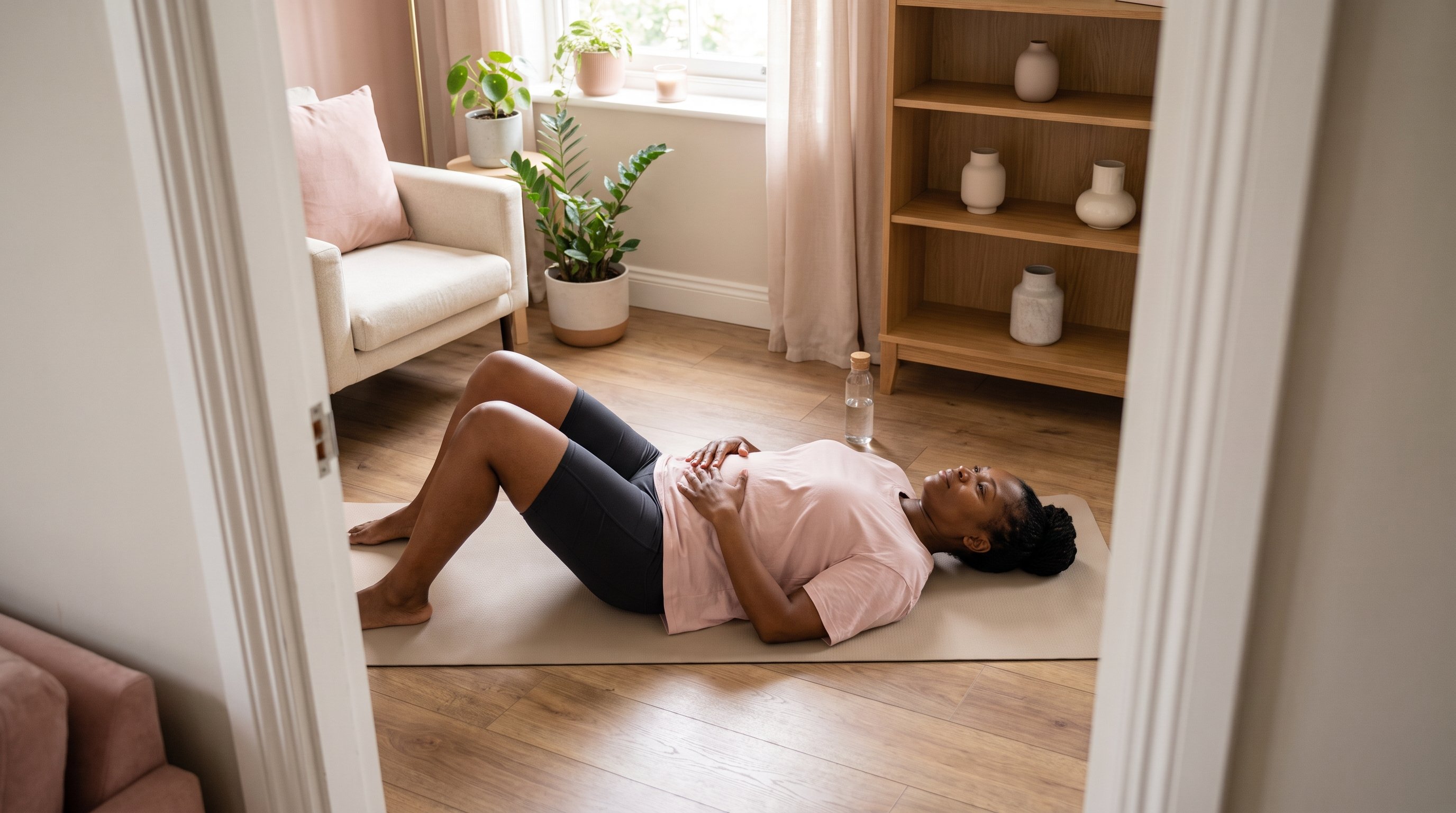
- Monday - slow belly breathing for a few minutes, noticing the pelvic floor soften on the exhale
- Wednesday - a short seated stretch session plus body-scan attention to the hips and jaw, which often hold tension alongside the pelvis
- Friday - gentle hip-opening movement and a few minutes of diaphragmatic breathing before bed
- Sunday - a quiet check-in: did any strengthening exercises creep in by habit, and did that help or hinder
Notice there's no daily quota of squeezes here - the aim is awareness and release, not reps.
How Often Release Work Actually Helps
A Little Often Beats a Lot Rarely
Short, frequent check-ins with the breath and pelvic floor tend to matter more than one long stretch session once a week.

| How Often | Session Length | Main Focus |
|---|---|---|
| Daily breathing check-ins | 3 to 5 minutes | Noticing and releasing tension |
| Few times weekly | 10 to 15 minutes | Seated or lying stretches |
| Weekly | Ongoing | Reviewing posture and bracing habits |
| As needed | A minute or two | Pausing when you notice clenching |
There's no single number that fits everyone, but consistency in short doses beats an occasional marathon stretch session.
Why Gentle Release Beats Forcing a Stretch
The harder alternative here is pushing into a deep stretch and holding it until it hurts, hoping that forcing the issue will speed things along.
Muscles that are already overworked tend to brace harder against force, not soften - so a forceful stretch can leave the pelvic floor just as tight, or tighter, than before.
The easier route - slow breathing, gentle movement, and patience - asks less of you each day, which is exactly why it's more likely to stick.
Adherence wins over intensity almost every time, and release work is no exception.
Working Pelvic Floor Release Into a Real Day
Tension doesn't only build during a workout - it builds during a stressful commute, a tight deadline, or hours spent sitting still.
That means the best moments for release work are often the ordinary ones: waiting for the kettle to boil, sitting in traffic, or lying in bed before sleep.
Audio and video routines and habit trackers can help you notice patterns over time, logging when tension shows up and when breathing sessions actually happened, rather than relying on memory alone.
That kind of tracking turns a vague intention into something you can actually see building week to week.
Who Needs to Adjust This Approach and Why
If You're New to Noticing Pelvic Tension
Start with breathing alone before adding any stretches - learning to feel the difference between clenched and released is the real skill here.
If Life Is Already Full
A few minutes of breathing at a red light or before getting out of bed counts; this doesn't need a dedicated block of time to work.
If You're Also Dealing With Weakness Signs
A pelvic floor can be tense and under-supportive at the same time, so pair release work with gentler strengthening rather than skipping one entirely.
If Pain Is Part of the Picture
Speak to a clinician if there's ongoing pain, burning, or difficulty with bladder or bowel function, since that's beyond what breathing and stretching alone can address.
When a Tense Pelvic Floor Starts to Soften
This isn't a fast process, and there's no reliable way to predict an exact point when things will feel different.
What tends to happen first is subtle - noticing tension sooner, or finding it easier to let go once you do notice it.
Many people quit right around the point where progress is quiet rather than obvious, which is exactly when sticking with short daily check-ins matters most.
Easing a Hypertonic Pelvic Floor With Kegel Care
Noticing tension is one thing - building a routine around easing it consistently is another, and that's where structure helps.
Kegel Care offers guided audio and video routines built for pelvic health, alongside trackers for hydration and wellness habits and a curated article library to keep you informed as you go.
None of it requires exhausting workouts or restrictive routines - just a few minutes worked into a day you're already living.
Strengthen Your Pelvic Floor
Rebuild Your Core Confidence
Making Peace With a Pelvic Floor That Overworks
A hypertonic pelvic floor isn't a failure of willpower - it's a muscle pattern that was never taught how to switch off, and it can be retrained with patience.
Pick one small thing to start this week: a few minutes of slow breathing before bed, tracked honestly, is a reasonable place to begin, and Kegel Care can help keep that habit visible as it builds.
FAQ
It can feel like a dull ache, a sense of heaviness or pressure, or difficulty fully relaxing even when nothing is being asked of the muscles. Some people also notice tension shows up alongside tight hips or a clenched jaw.
Yes, adding more squeezing exercises to an already overworked pelvic floor tends to add tension rather than relieve it. Release-focused breathing and gentle stretching address the actual pattern instead.
A minute or two counts, and it doesn't need to happen in silence or stillness - standing in a queue or sitting at a desk both work. Short guided sessions are built to fit into exactly these kinds of in-between moments.
Stress, posture habits, and old bracing patterns don't disappear after one good week, so tension can resurface during busy or stressful periods. That's normal, and it just means going back to the same breathing and release habits rather than starting over from scratch.
Share this post