Best Foods for Energy: Practical Meals That Fit a Real Day
By:Author:Kegel Care Editorial
Updated on:October 16, 2026
- What a Day of Energy-Focused Eating Looks Like
- How Often to Eat for Steady Energy
- Why Balanced Plates Beat Strict Energy Diets
- Fitting Energy-Focused Meals Into a Real Week
- Adjusting Energy-Focused Eating to Different Routines
- When Steadier Energy Tends to Show Up
- Supporting Steady Energy Habits With Kegel Care
- Making Energy-Focused Eating a Daily Habit
The best foods for energy are the ones that combine protein, fibre and slow-releasing carbohydrate at the same meal, so the body has a steady supply to draw on instead of a quick spike and drop.
Food that digests fast - sugary drinks, white bread on its own, sweets - gets absorbed quickly, so blood sugar rises fast and falls fast too, and that fall is what people feel as a slump.
This guide covers what a realistic day of eating for energy looks like, how much and how often to eat, why simple food choices beat strict diet rules, and how to make any of it work around a packed week.
What a Day of Energy-Focused Eating Looks Like
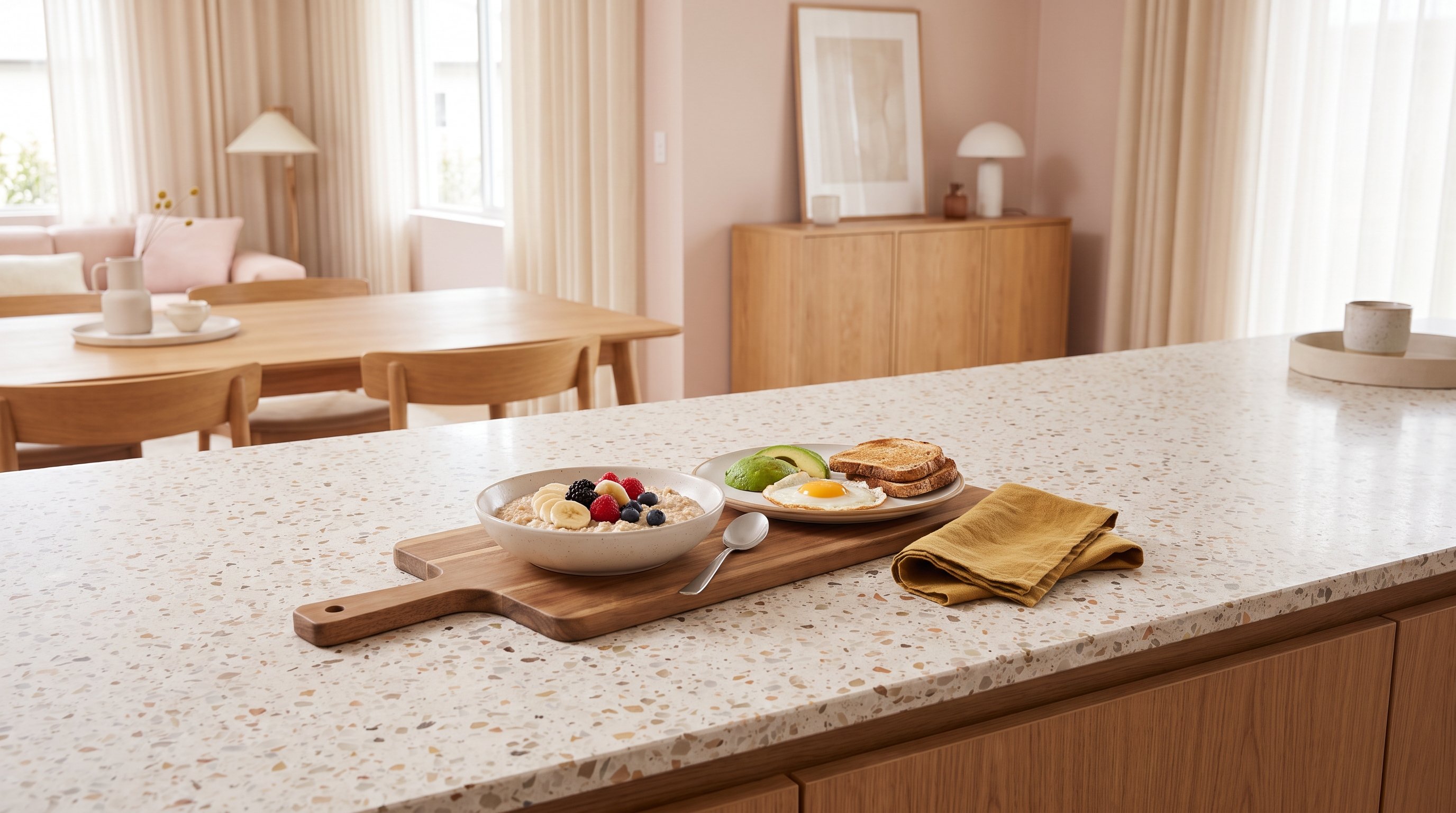
Nobody needs a complicated meal plan to feel steadier through the day. A realistic day just pairs protein and fibre with carbohydrate at each meal, so energy comes in and holds instead of spiking.
A Sample Day
- Breakfast - eggs with oats and a piece of fruit
- Mid-morning - a handful of nuts or plain yoghurt
- Lunch - a grain bowl with beans, vegetables and a protein source
- Afternoon - wholegrain crackers with hummus or cheese
- Dinner - a lean protein, a starchy vegetable and a side of leafy greens
None of this needs to be exact. The pattern matters more than the specific foods - protein plus fibre plus slow carbohydrate, spaced through the day instead of saved for one big meal.
How Often to Eat for Steady Energy
There's no single number that works for everyone, but spacing meals and snacks roughly every three to four hours tends to keep energy more even than two large meals with a long gap between them.
A Simple Spacing Guide
Use the table below as a starting point and adjust the timing to fit your own schedule.
| Time Window | What To Focus On |
|---|---|
| Morning | Protein plus slow carbohydrate |
| Midday | Balanced plate with fibre |
| Mid-afternoon | Small protein and fat snack |
| Evening | Lean protein and vegetables |
| Before bed | Light or skip entirely |
Why Balanced Plates Beat Strict Energy Diets
A strict elimination diet - cutting out whole food groups or counting every gram - might work for a week, then it falls apart because it's hard to sustain alongside a normal life.
A balanced plate approach - just making sure protein, fibre and carbohydrate show up together - asks far less of you day to day, so it's the one still standing a month later.
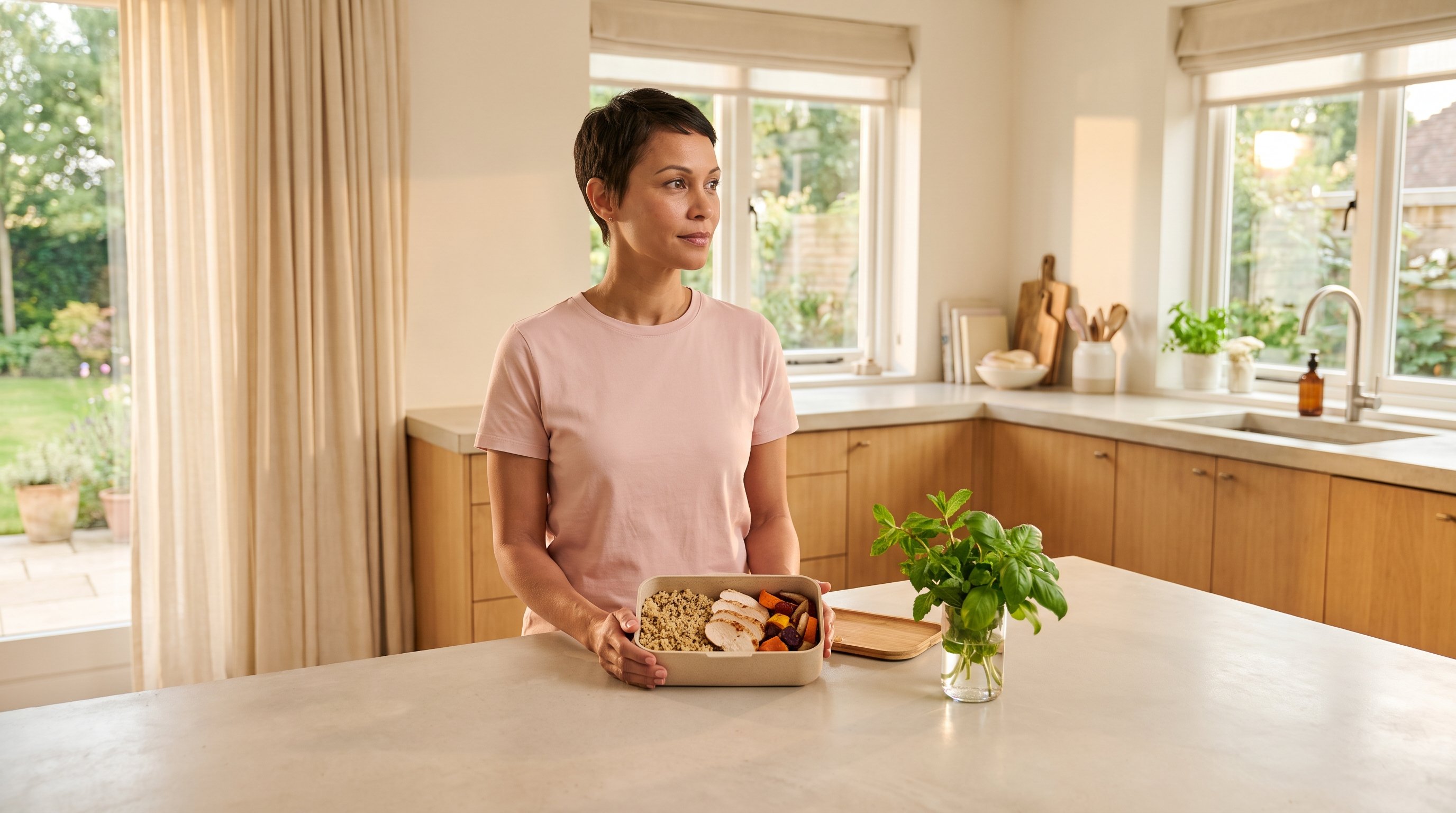
Adherence is the whole game here. A simple plate you'll actually build most days beats a precise one you abandon by Thursday.
Fitting Energy-Focused Meals Into a Real Week
Most people don't lose the plot on nutrition because they don't know what to eat - they lose it because there's no time to think about it between meetings, school runs and everything else.
Batch-cooking a grain base, keeping boiled eggs or nuts within reach, and choosing pre-cut vegetables when time is short all remove the decision-making at the exact moment willpower is lowest.
Kegel Care fits into this same idea of removing friction from daily habits - its hydration and wellness trackers sit alongside your eating pattern, so you can see at a glance whether you're keeping up with water and routines that affect energy just as much as food does.
Adjusting Energy-Focused Eating to Different Routines
If You're New to Thinking About Food and Energy
Start with one change - adding protein to breakfast - before touching anything else. One steady habit beats five half-finished ones.
If Your Day Is Genuinely Packed
Lean on simple combinations that need no preparation, like yoghurt and fruit or a tin of beans with pre-cooked rice. The goal is something repeatable, not something impressive.

If You're Over 40 and Notice Energy Dipping More
Pay closer attention to protein at each meal rather than relying on carbohydrate alone, since protein tends to hold hunger and energy steadier for longer.
If You're Often on Your Feet All Day
Build in a mid-shift snack rather than waiting until the end of the day to eat properly, since a long gap without food is usually when the slump hits hardest.
When Steadier Energy Tends to Show Up
Don't expect a dramatic shift after one well-balanced meal - the body adjusts to a new eating pattern gradually, not overnight.
Most people who stick with regular, balanced meals notice the obvious afternoon slump softening before they notice anything else change, and that's usually the first sign the pattern is working.
This is also where most people quit - somewhere in the first couple of weeks, before the new pattern feels automatic. Sticking with it past that point is the part that actually counts.
Supporting Steady Energy Habits With Kegel Care
Eating for steadier energy is one habit among several that add up - sleep, hydration and movement all play their part too, and keeping track of all of them separately gets tiring fast.
Kegel Care brings daily habit trackers for hydration and wellness routines into one place, alongside lifestyle challenges that nudge small changes you can actually keep up with, so energy-focused eating doesn't have to sit in isolation from everything else you're trying to manage.
It also includes an exclusive, specialist-curated article library and audio and video content built to fit around a normal schedule, which is useful if food and energy are just one part of a wider routine you're trying to build.
Strengthen Your Pelvic Floor
Rebuild Your Core Confidence
Making Energy-Focused Eating a Daily Habit
Pick one meal today and add a protein source to it. That single change is small enough to repeat tomorrow, and repeating it is what actually moves the needle.
If keeping track of hydration and daily routines alongside your meals sounds useful, Kegel Care keeps that groundwork in one place so you're not juggling several habits with no way to see how they connect.
FAQ
Foods that combine protein, fibre and slow-releasing carbohydrate - things like eggs, oats, beans, nuts and whole grains - tend to keep energy steadier than sugary or heavily processed options. Pairing these food groups at each meal matters more than any single food on its own.
Cutting out carbohydrate entirely usually backfires, because the body still needs some slow-releasing carbohydrate for steady fuel. A better approach is choosing wholegrain or fibre-rich carbohydrate over refined versions rather than removing the food group altogether.
Simple combinations that need little or no preparation - yoghurt with fruit, tinned beans with pre-cooked rice, nuts with cheese - still deliver the same protein-fibre-carbohydrate pattern. Kegel Care's daily trackers can help you keep an eye on related habits like hydration when meal prep time is short.
It usually drops off because the eating pattern slips back to irregular meals or quick sugary options once the initial motivation fades. Keeping meals spaced through the day and built around protein and fibre is what keeps the effect going past the first couple of weeks.
Share this post